Learning Objectives: Software architecture
- Understand why we need to think about it
- Understand why we need to talk about it
- Learn different perspectives to evaluate it
- Grasp the application of it
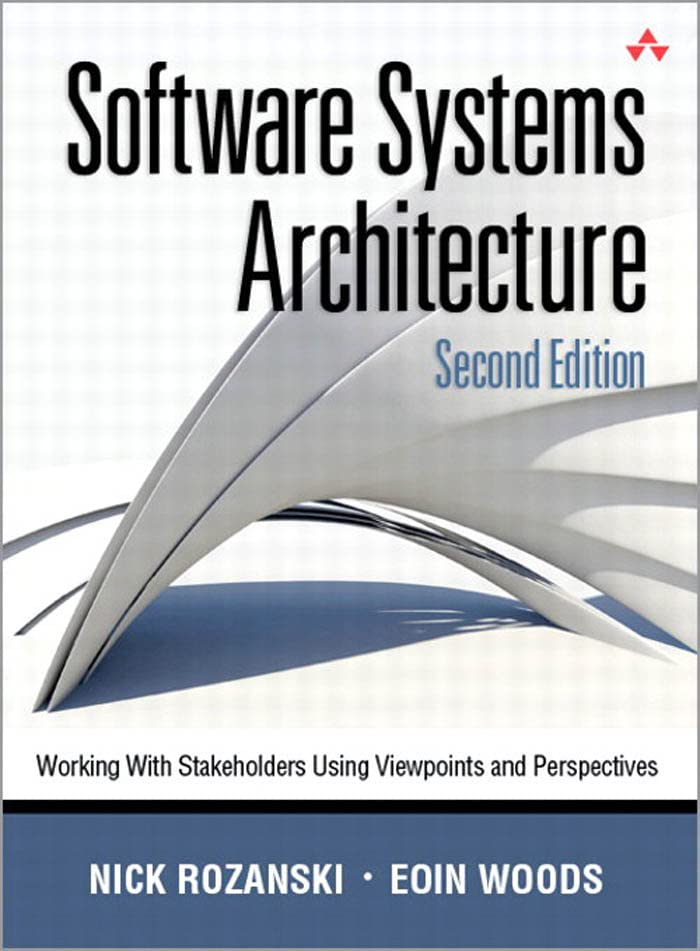
Management perspective
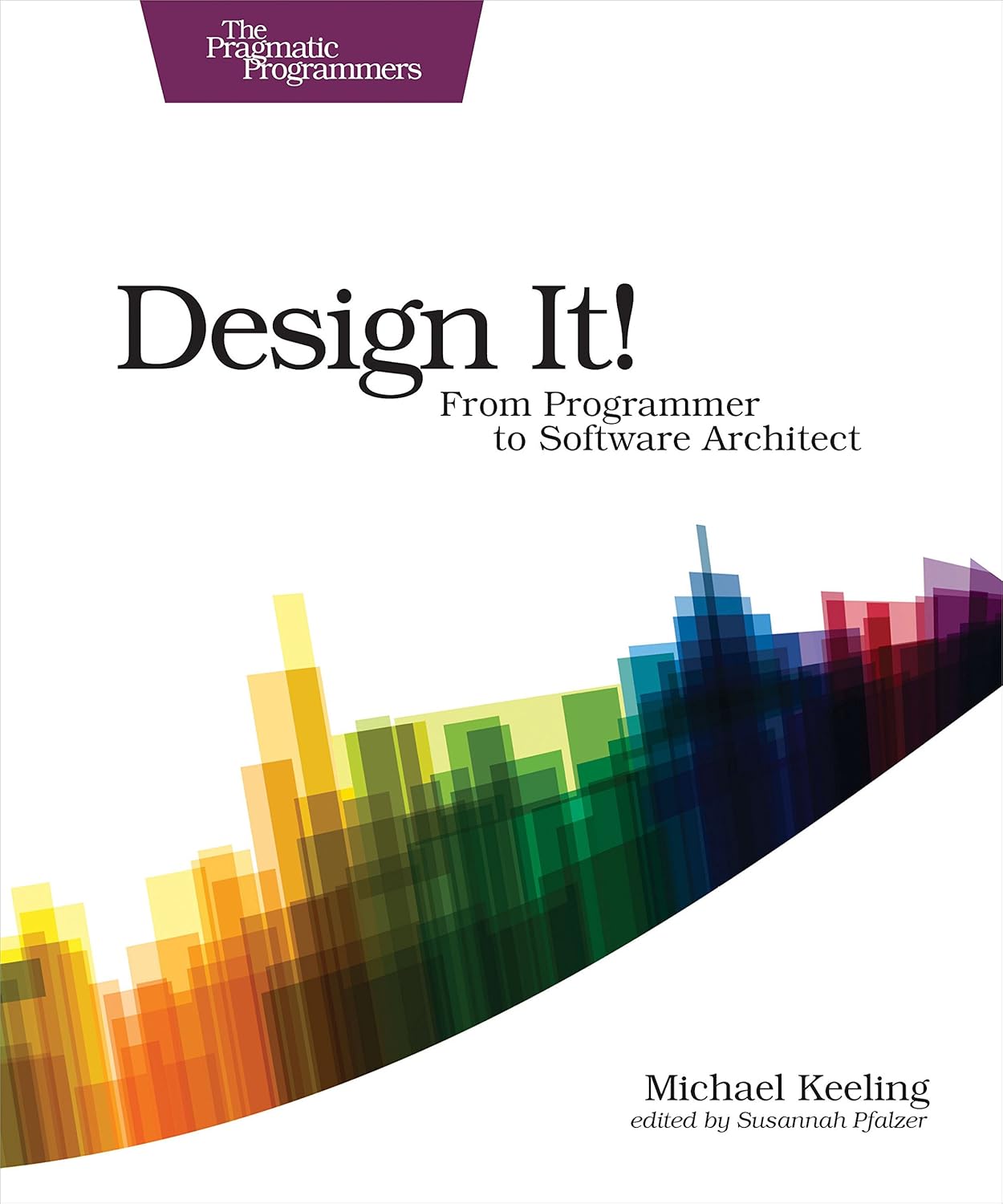
Applied perspective

Technical perspective
What is architecture?
Why do we need architects?
Architecture
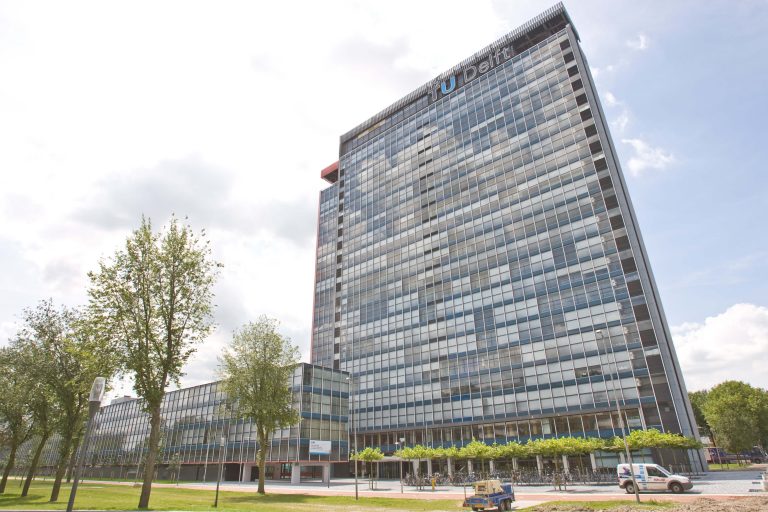 TU Delft EWI Building 1969
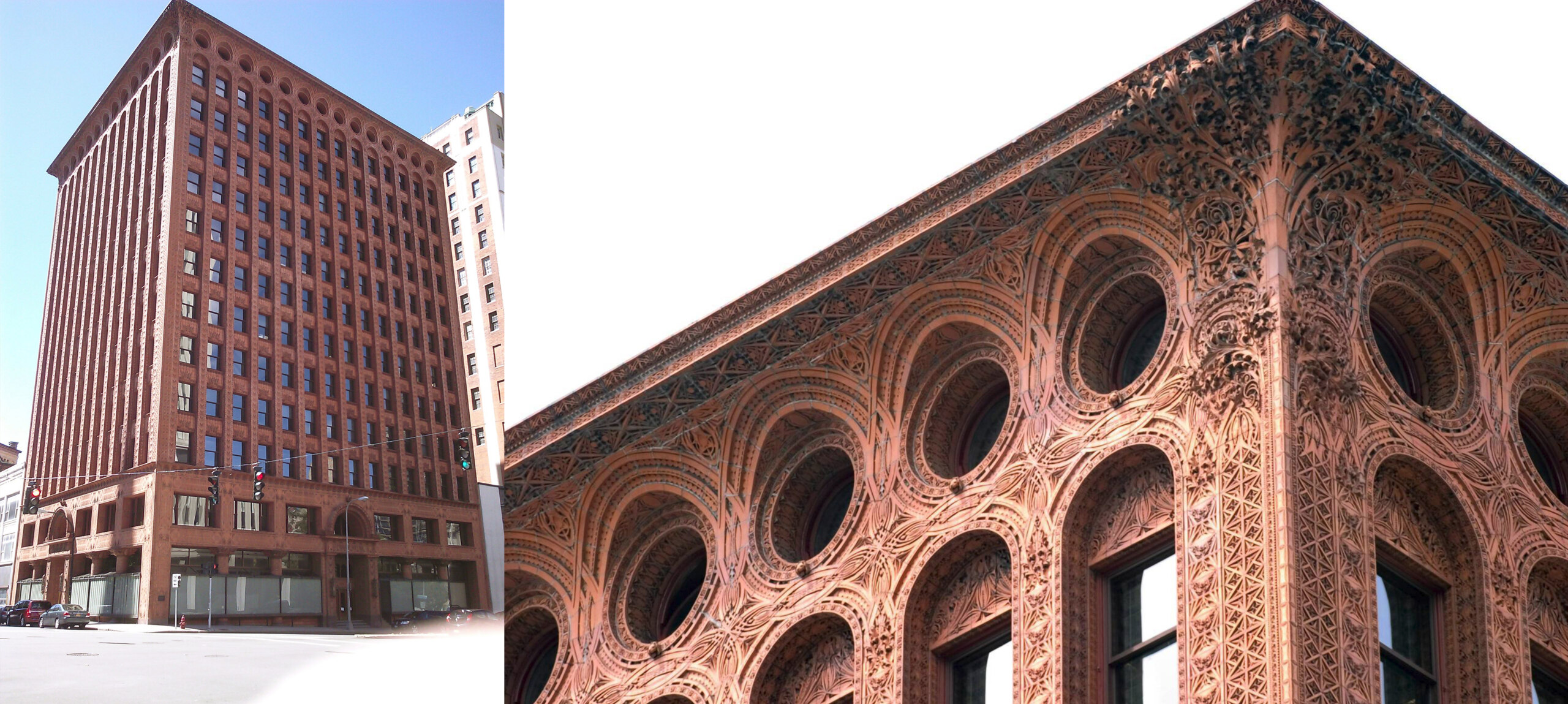
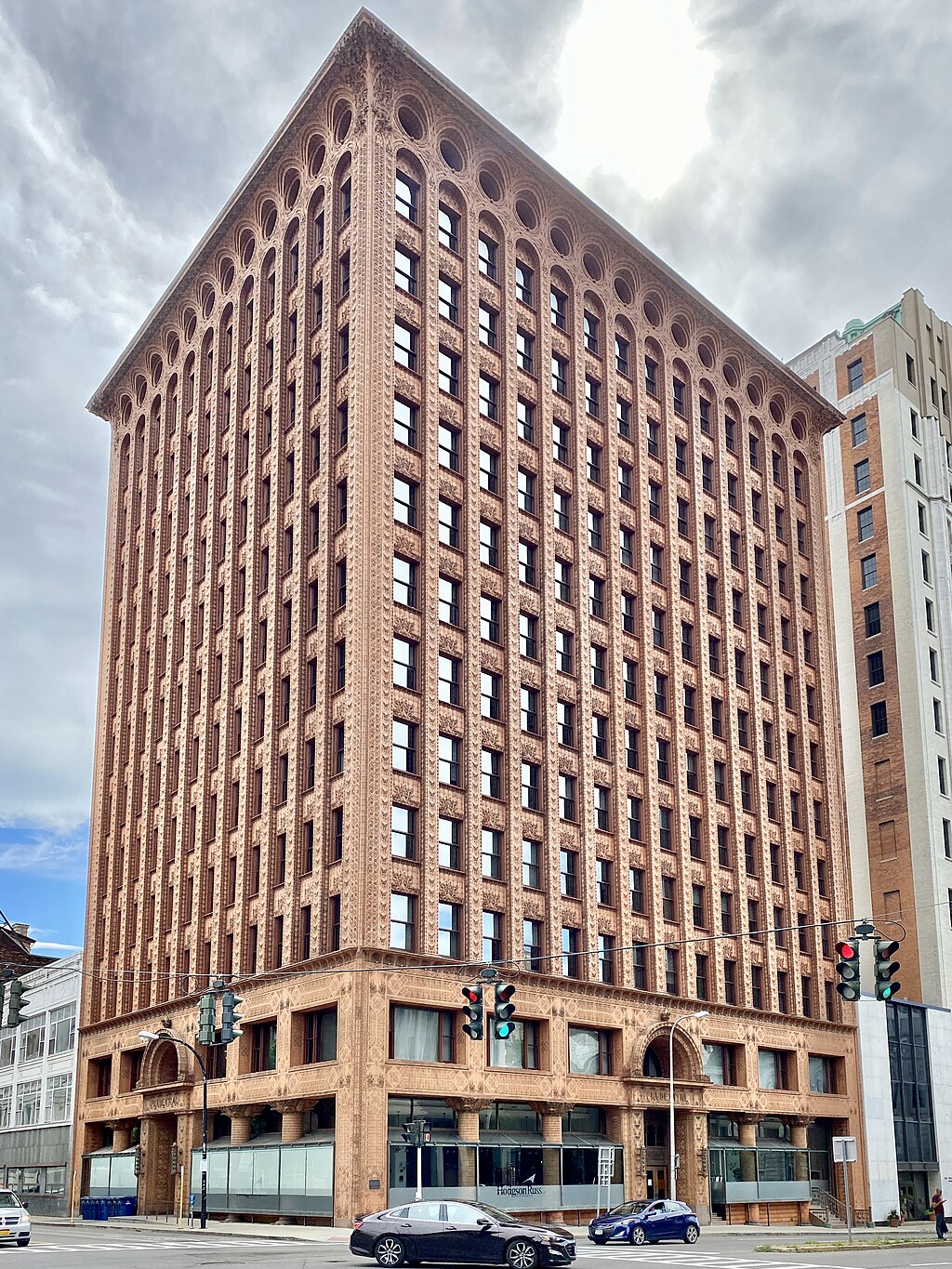 Guaranty Building 1891
Louis Sulivan: "Form follows function"
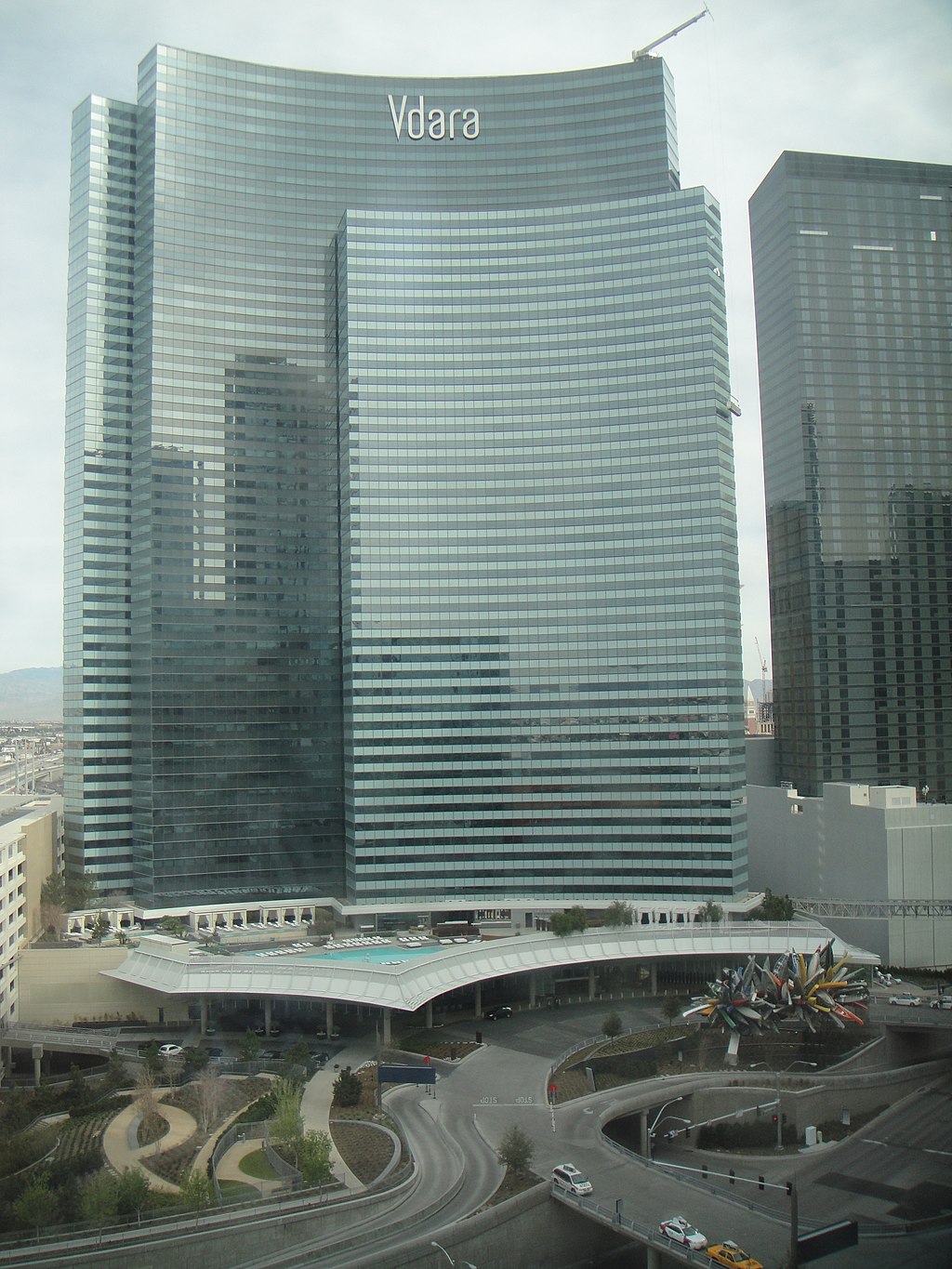 Rafael Viñoly
Vdara - 2010
Sun glare or 'The Death Ray'
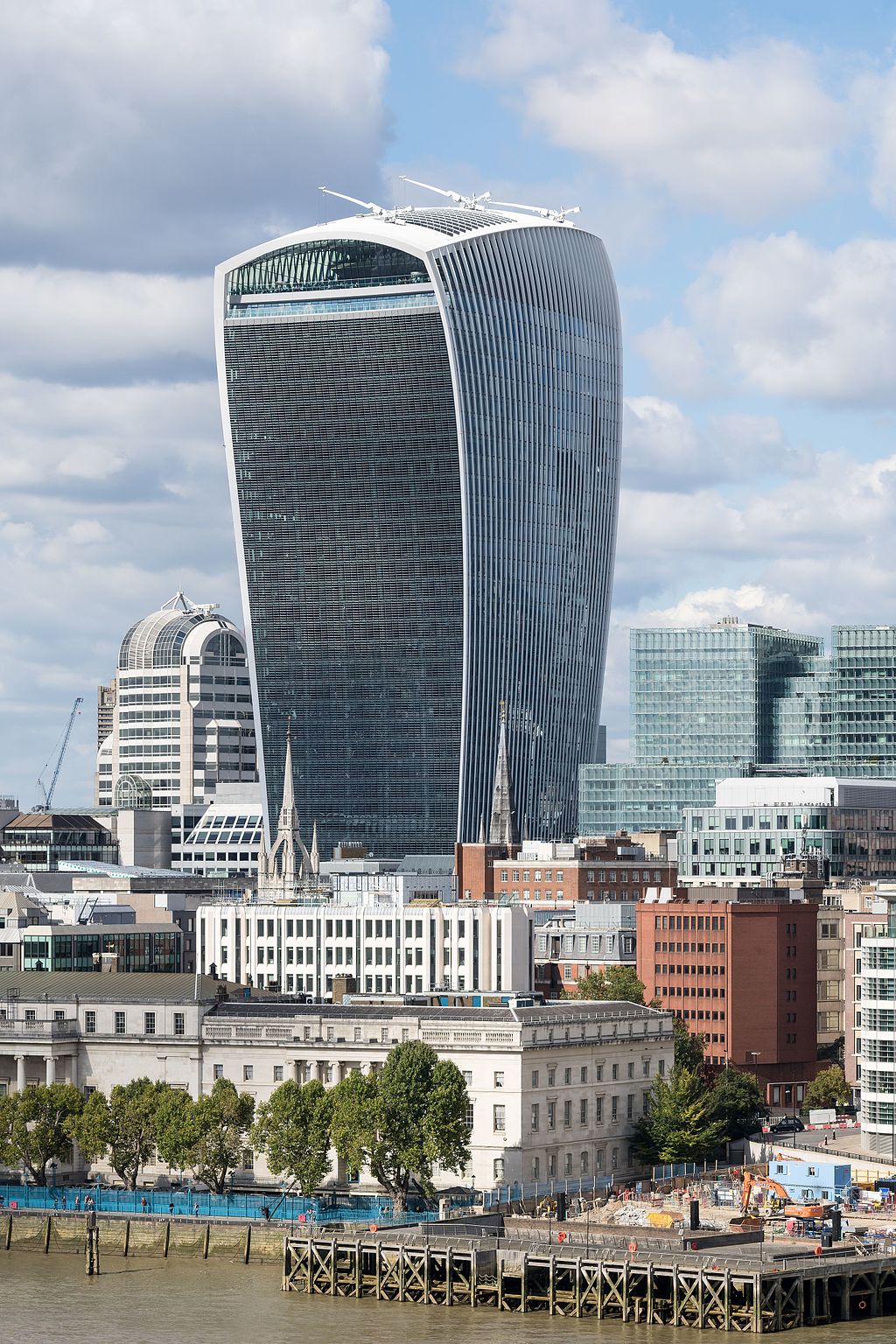 Rafael Viñoly
20 Fenchurch Street - 2013
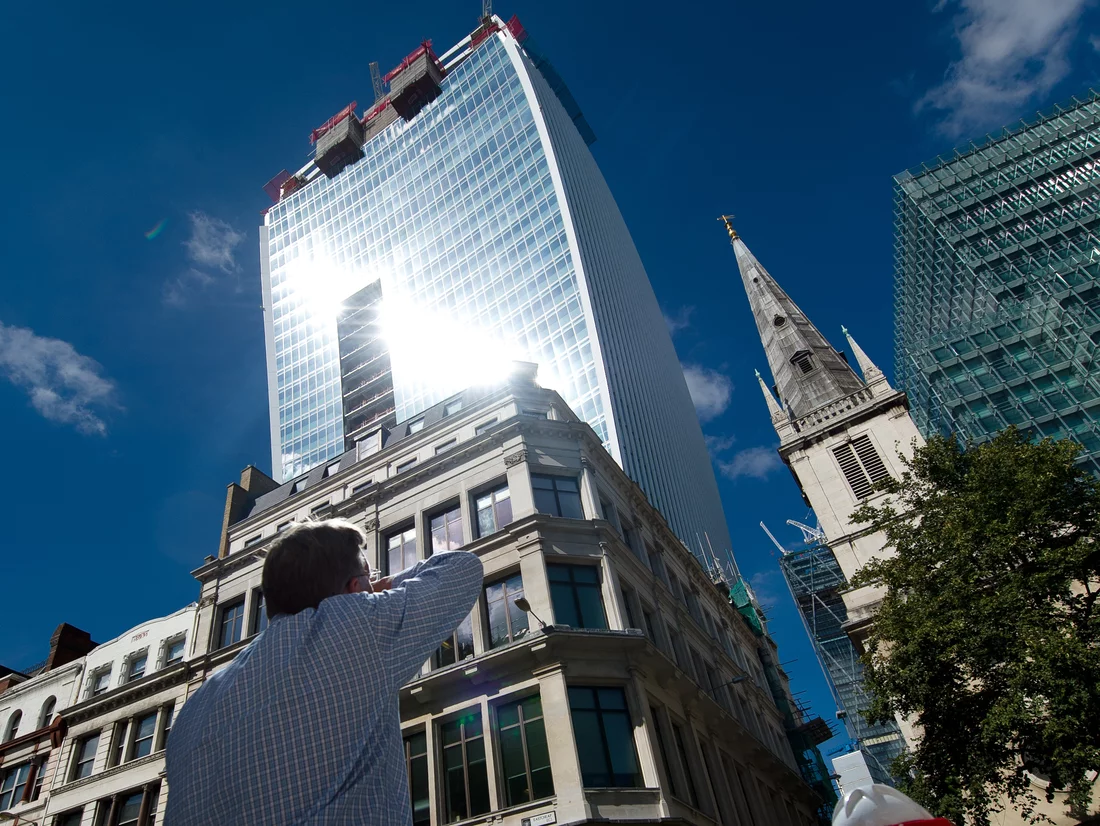 "A skyscraper under construction melted my Jag"
+ Wind tunnel effect
Carbuncle Award: "a daily reminder never to let such a planning disaster ever happen again."
"A skyscraper under construction melted my Jag"
+ Wind tunnel effect
Carbuncle Award: "a daily reminder never to let such a planning disaster ever happen again."
Work-around: Coating all windows 💸
Architecture Issues and costs
Change
Drive Jag away
Coat all windows
Alter building shape
Cost of change
Almost nothing
Very costly
Not affordable
Architectural changes are really expensive!
If not impossible
Architecture in SE
Change
How one function can be called
Enforce way to call functions
Introduce a design pattern
Convert to functional paradigm
Cost
Minutes
Hours
Weeks
Months
Architectural changes are really expensive!
If not impossible
Importance only evident when experienced
in real-life projects
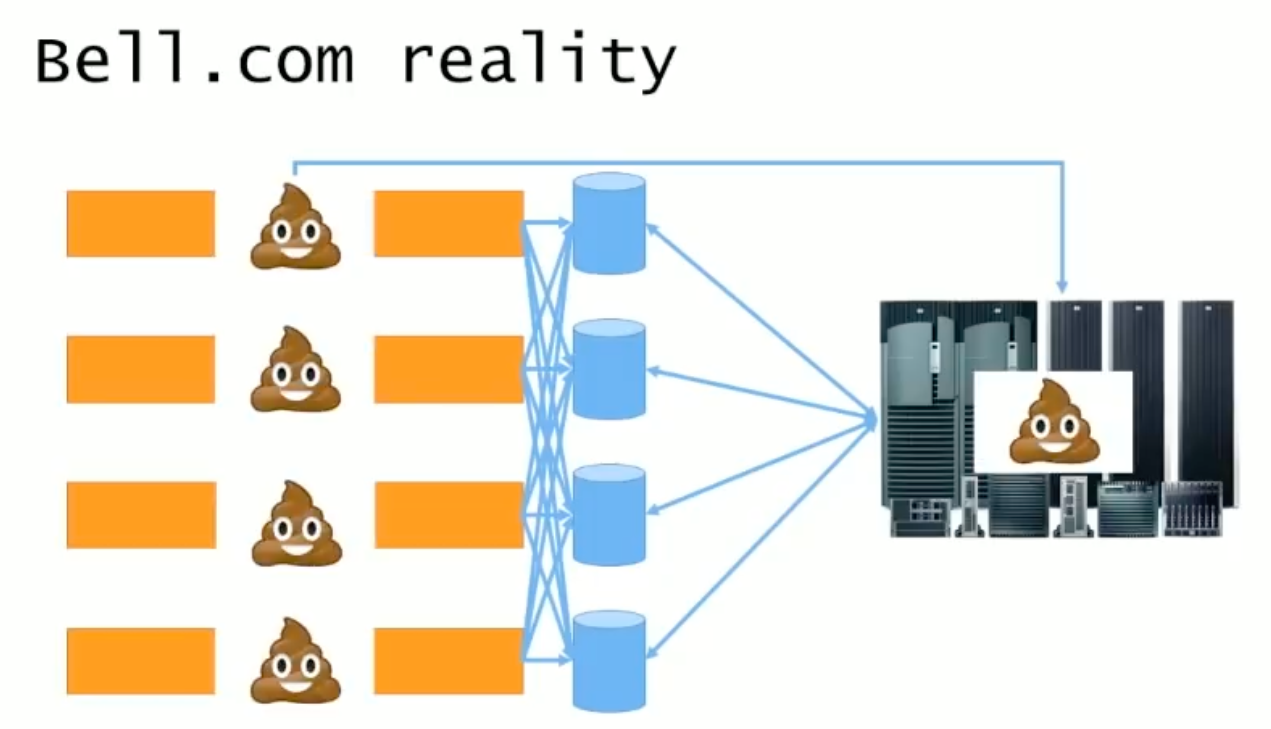
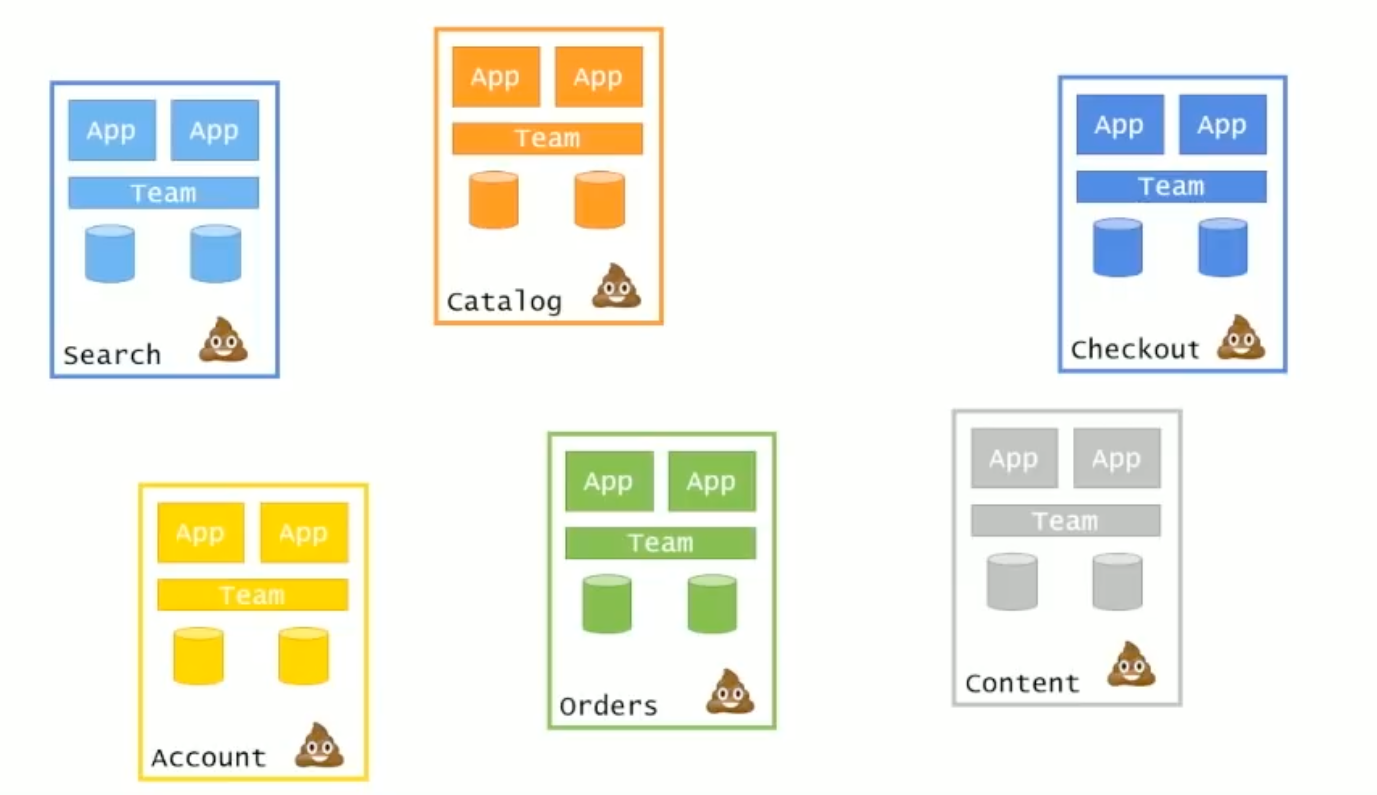
Architecture disasters are common!
https://youtu.be/gfh-VCTwMw8
Architecture represents the significant decisions that shape a system… where significant is measured by cost of change- Grady Booch (creator of UML)
Examples?
Significant Decisions Examples
Programming language and paradigm, Platform (Smartphone, Browser), Software Development Proccess (Open Source?, Agile?)
The fundamental organization of a system, embodied in its components, their relationships to each other and the environment, and the principles governing its design and evolution.- IEEE
More Examples?
Fundamental organization Examples
Integration of Cloud-services (Distribution), Data Storage, Usage of plugin system
Architecture influences
long-term software quality
Quality Properties (and environment)
Responsiveness
Reliability
Availability
Security
Usability
Maintainability
Resilience
Mostly internal quality
Lifetime
Number of Users
SW Re-use
Compatibility
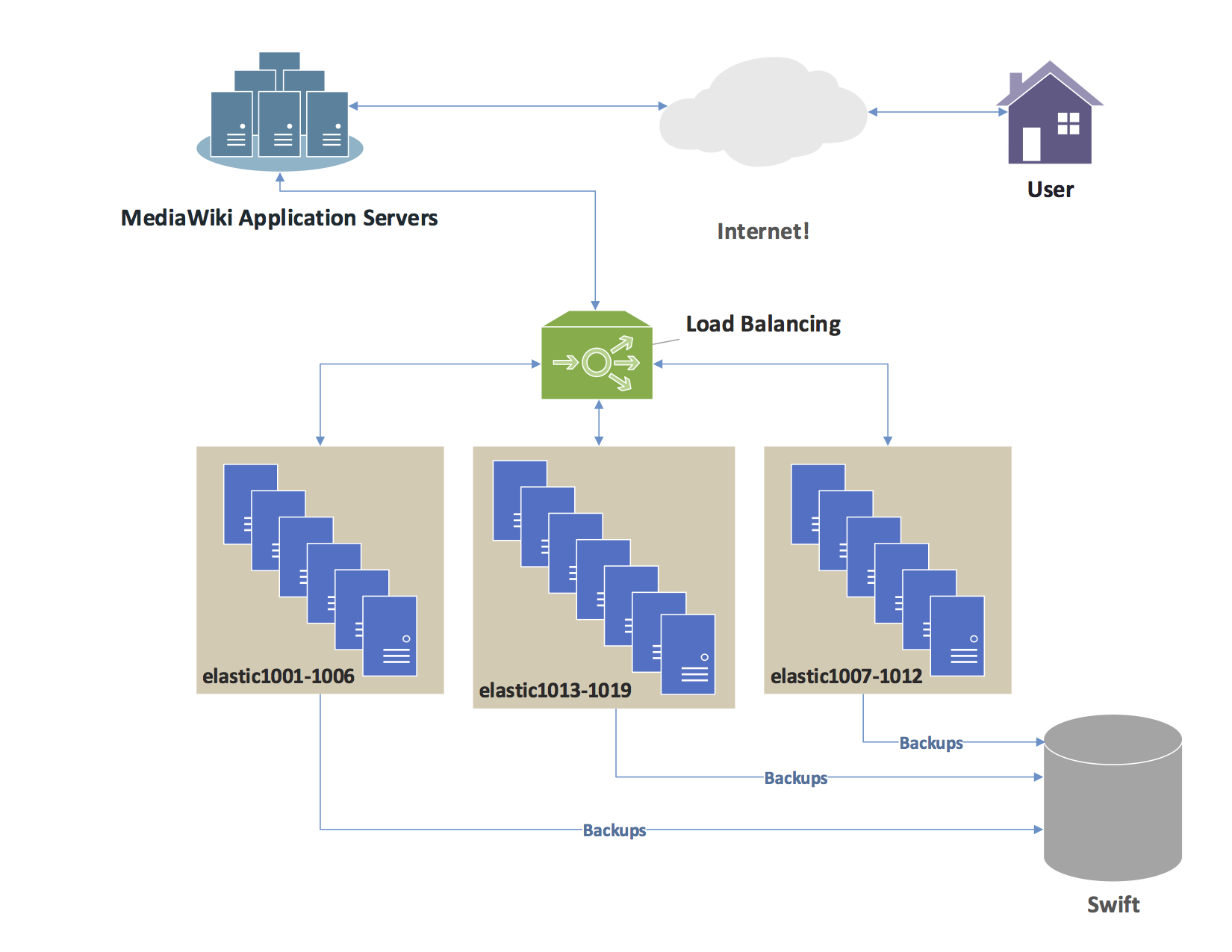
Scalability and Availability
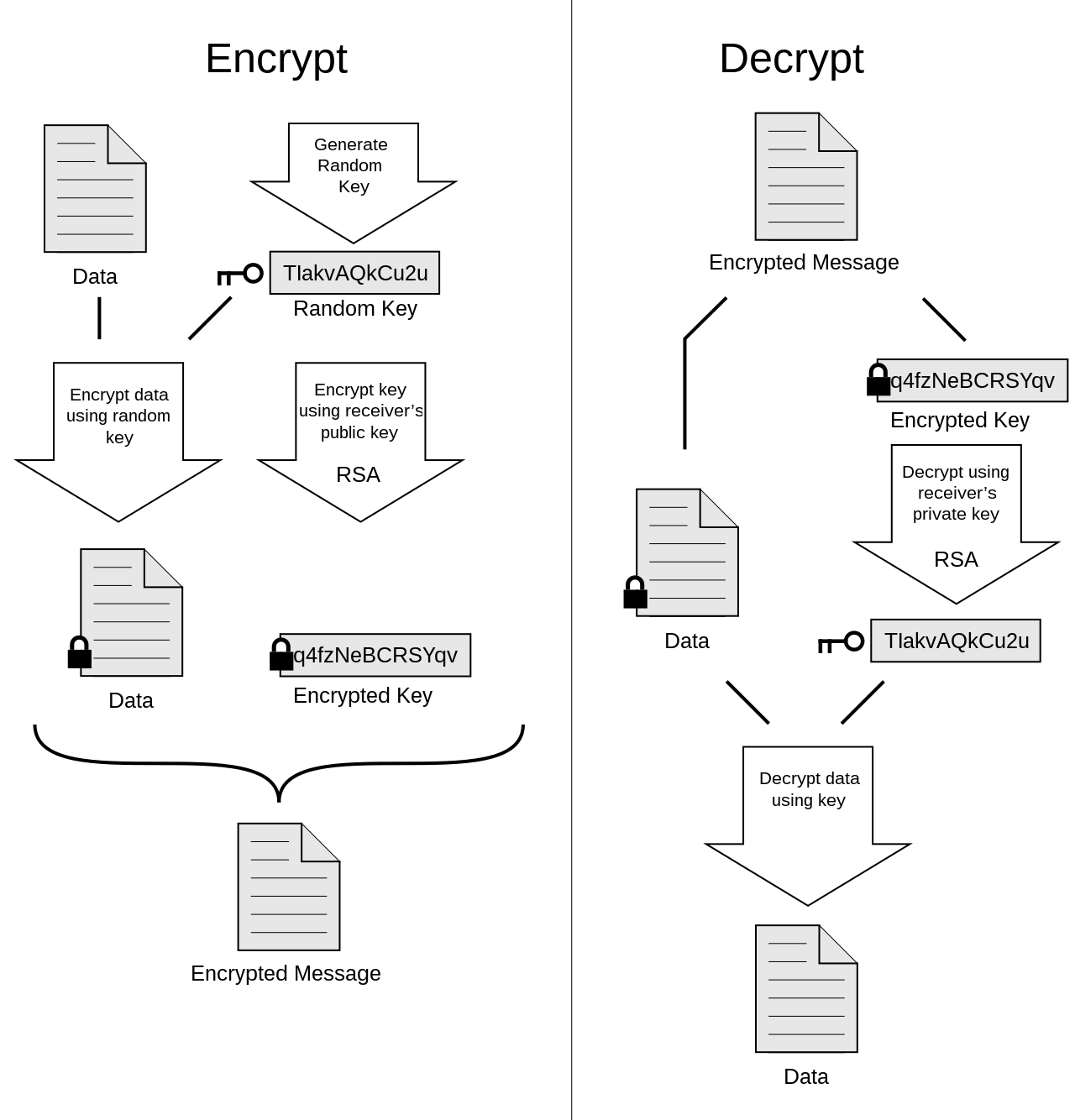
Security
Lifetime and maintainance
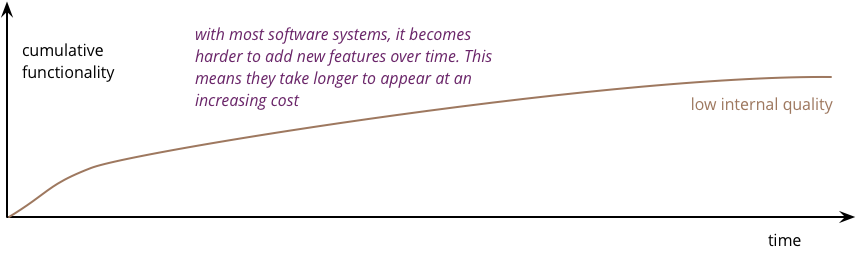 M. Fowler - Is quality worth cost?
https://martinfowler.com/articles/is-quality-worth-cost.html
Lifetime and maintainance
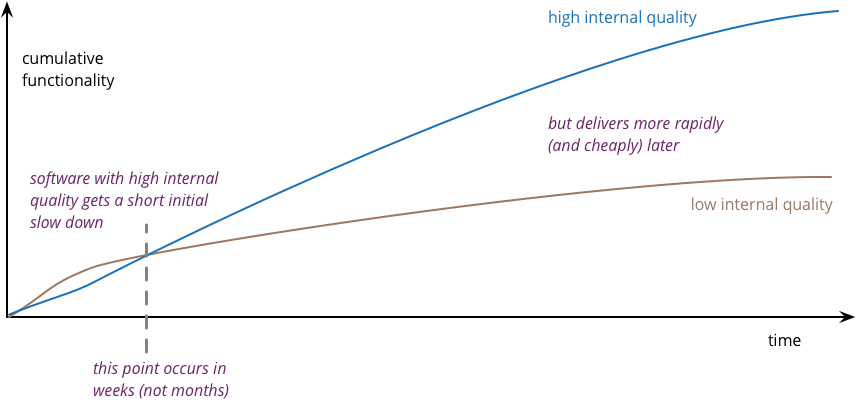 M. Fowler - Is quality worth cost?
https://martinfowler.com/articles/is-quality-worth-cost.html
SW Re-Use
Free and Open Software
Building on top of existing Software
Compatibility
Using established protocols
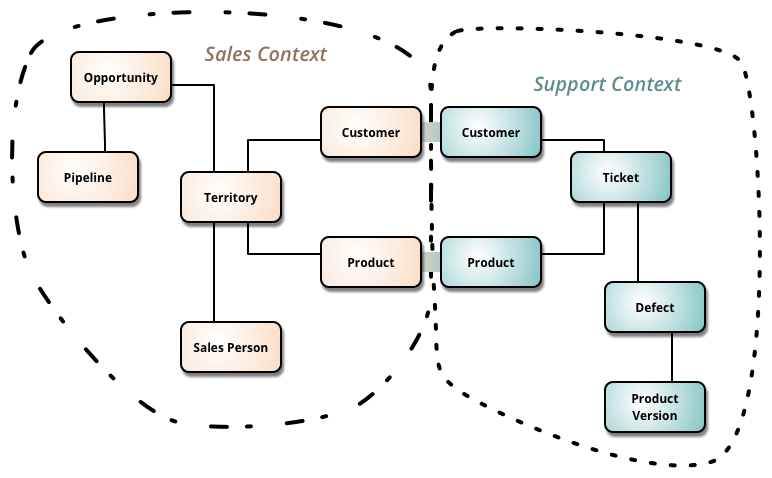
Integrate into business processes
M. Fowler - Bounded Contexthttps://martinfowler.com/bliki/BoundedContext.html
And many more internal qualities
Modularity, Maintainability, Usability...
The fundamental organization of a system, embodied in its components, their relationships to each other and the environment, and the principles governing its design and evolution.
Architecture is the important stuff.- Ralph Johnson and M. Fowler
Whatever that is.
Who decides?
Example: MediaWiki


Functions? Issues? Priorities?
MediaWiki ('general')
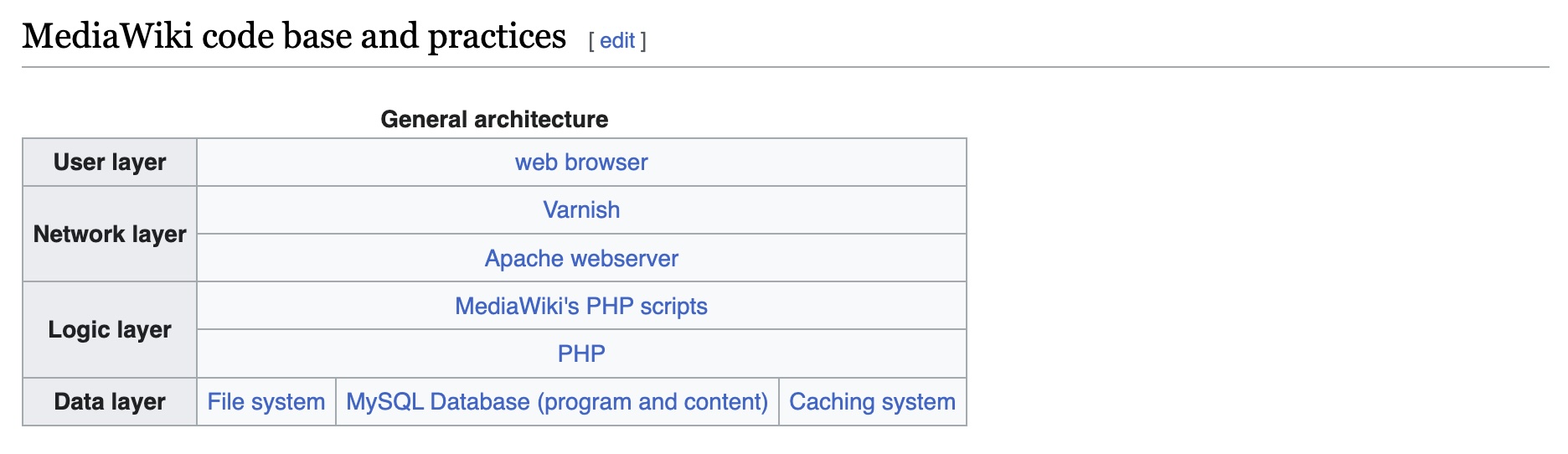
MediaWiki (security)
Because MediaWiki is the platform for high-profile sites such as Wikipedia, core developers and code reviewers have enforced strict security rules. To make it easier to write secure code, MediaWiki gives developers wrappers around HTML output and database queries to handle escaping. To sanitise user input, one uses the WebRequest class, which analyzes data passed in the URL or via a POSTed form. It removes "magic quotes" slashes, strips illegal input characters and normalises Unicode sequences. Cross-site request forgery (CSRF) is avoided by using tokens, and cross-site scripting (XSS) by validating inputs and escaping outputs, usually with PHP's htmlspecialchars() function. MediaWiki also provides (and uses) an HTML sanitiser with the Sanitizer class, and database functions that prevent SQL injectionMediaWiki (responsiveness vs usability)
MediaWiki must not only run a top-ten website, but also do so on a shoestring budget. To meet these demands, MediaWiki has a heavy bias towards performance, caching and optimisation. Expensive features that can't be enabled on Wikipedia are either reverted or disabled through a configuration variable; there is an endless balance between performance and featuresMediaWiki (Compatibility)
Wikipedia users originally created "bots" that worked by screen scraping the HTML content served by MediaWiki; this method was very unreliable and broke many times. To improve this situation, developers introduced a read-only interface (located at query.php), which then evolved into a full-fledged read and write machine APIproviding direct, high-level access to the data contained in the MediaWiki database.MediaWiki (maintainability)
MediaWiki started without any of these things, but all of them support features that have been around since the beginning. Many developers are interested primarily in feature development, and architecture is often left behind, only to catch up later, as the cost of working within an inadequate architecture becomes apparent.Exercise
How does cryptpad present its architecture?
Which qualities does its architecture focus on?

https://docs.cryptpad.org/en/dev_guide/general.html
Presentation of architecture
Who is the audience?
Why is it published?
Architecture is the important stuff.
Whatever that is.
Important stuff: realtive to perspective and view!
Architecture is the important stuff.⬇
Whatever that is.
A good architecture addresses concerns of people.
Balances them in case of conflict.
Is acceptable for everyone.
Good architecture requires discussion
How do we show/discuss architecture?
Impossibility to show/plan everything with one modelWhat do you want to show?
Whom do you want to show it to?
Seperation into Views/Viewpoints
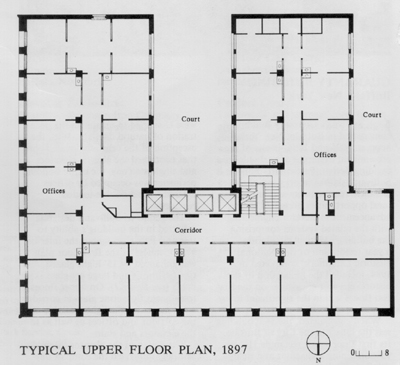 Views of particular aspects
Goal: Represent complex system in a way that is manageable and comprehensible by a range of people
Seperation into Views/Viewpoints
One View describes a separate structural aspect
Appropriately illustrate how concerns of people are addressed by architecture
Separation into Views/Viewpoints
Other viewpoints we can think off?
Separation into Views/Viewpoints
Perspectives and Views
Consider different aspects of a viewpoint
Information Security:
How does the information view address security?
Development Usability:
How is the usability of technology for developers ensured?
Functional Evolution:
How can functions being added in the future?
Development Security:
How are contributions verified?
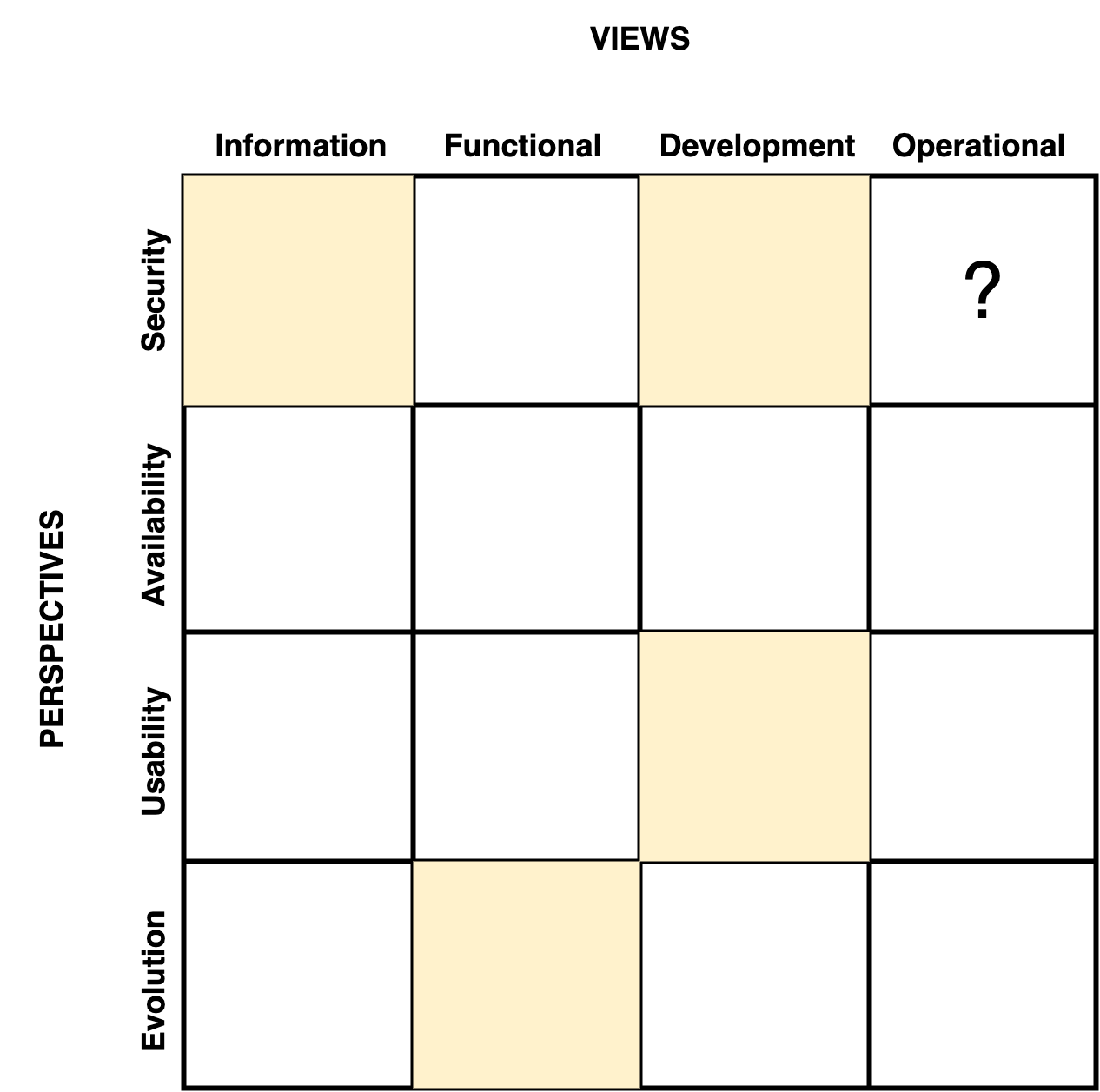
Perspectives and Views
Wikipedia users originally created "bots" that worked by screen scraping the HTML content served by MediaWiki; this method was very unreliable and broke many times. To improve this situation, developers introduced a read-only interface (located at query.php), which then evolved into a full-fledged read and write machine API providing direct, high-level access to the data contained in the MediaWiki database.
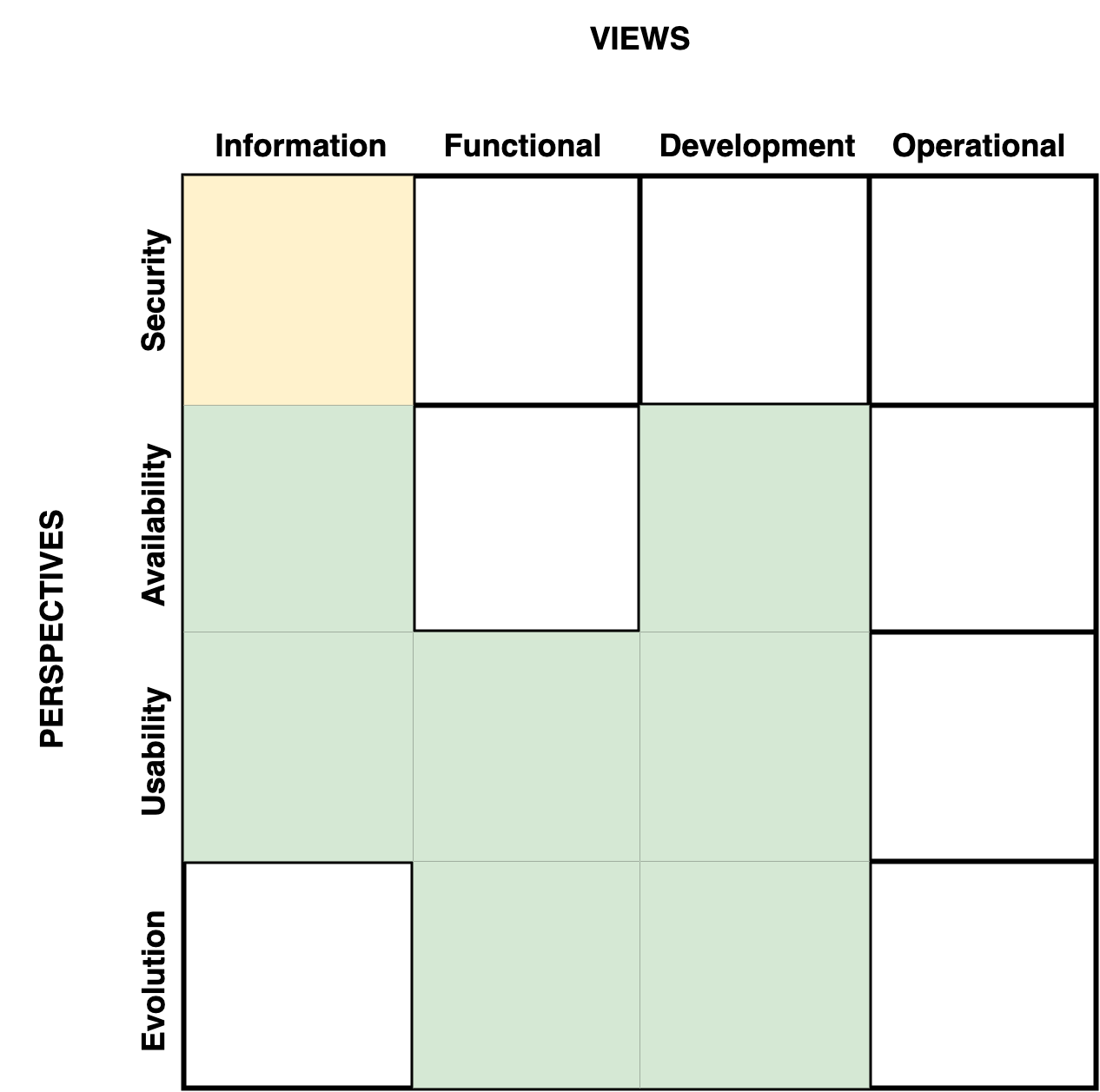
Different view, different modelling techniques
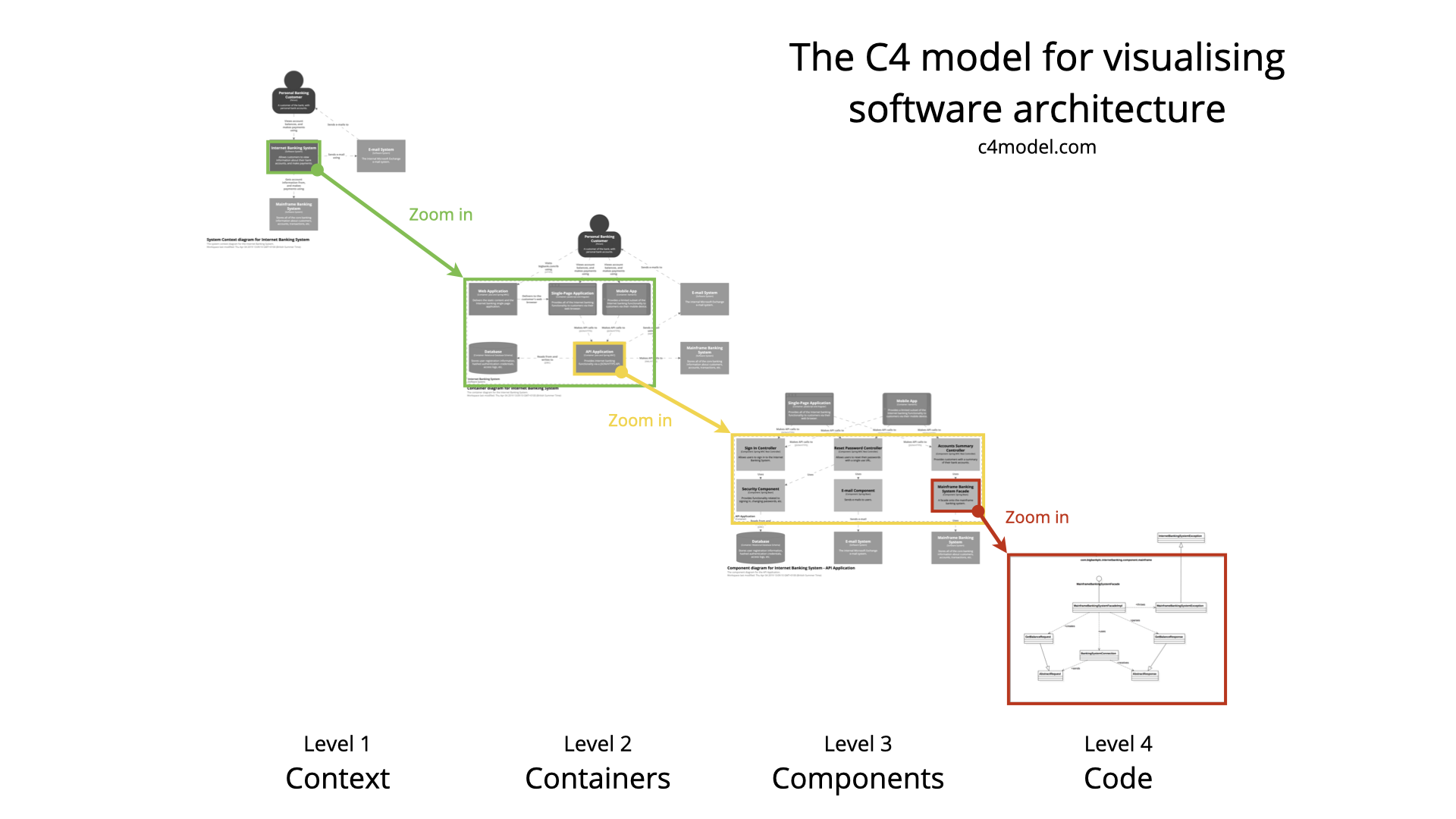
Way to help software development teams describe and communicate software architecture.
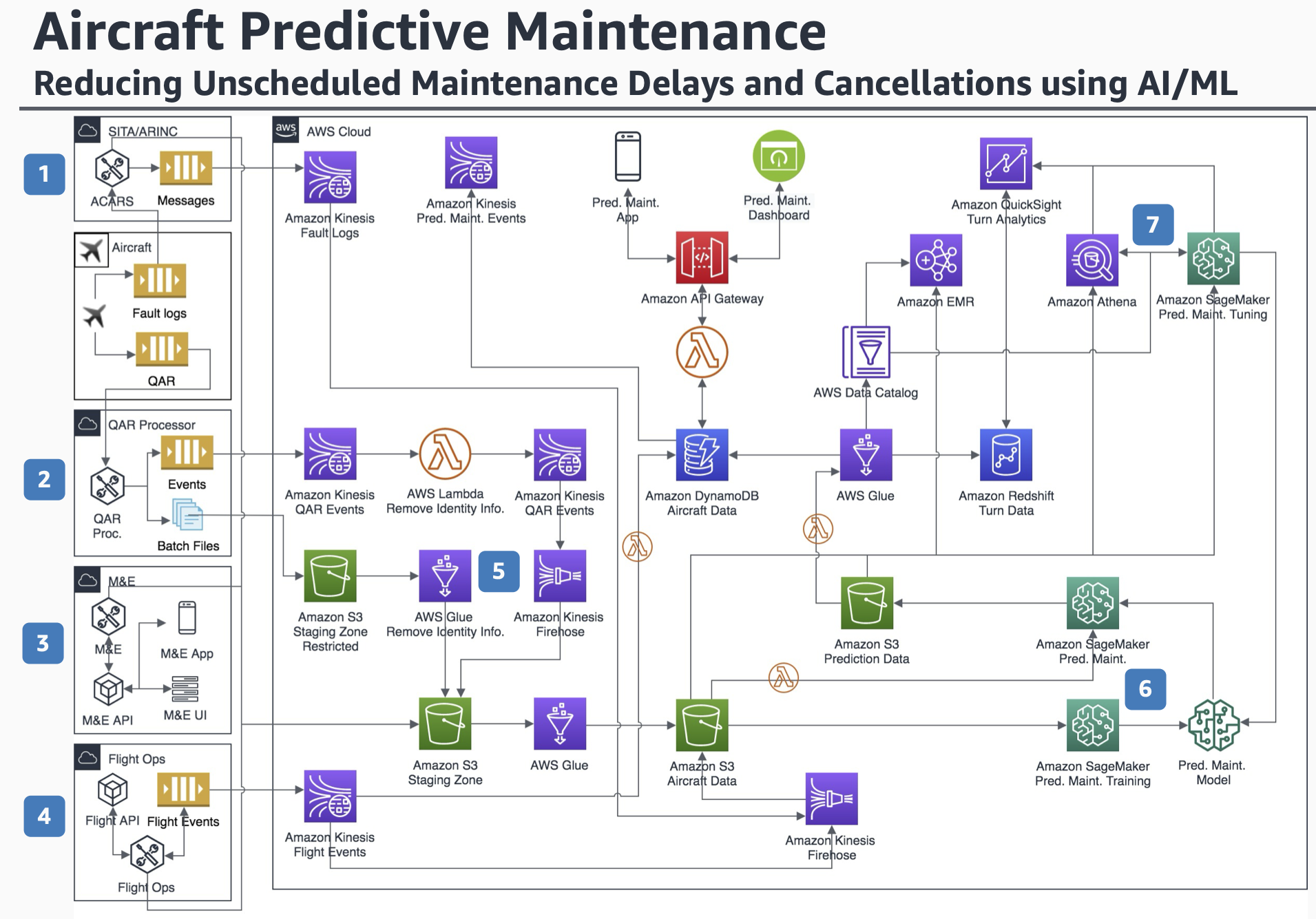
Way for amazon to help sell a product.
Architecture Patterns
Re-usable solutions for common concerns
Architecture Patterns
Solutions for subcomponents (specific views and perspectives)
Address specific concerns
Introduce trade-offs
Architecture Patterns
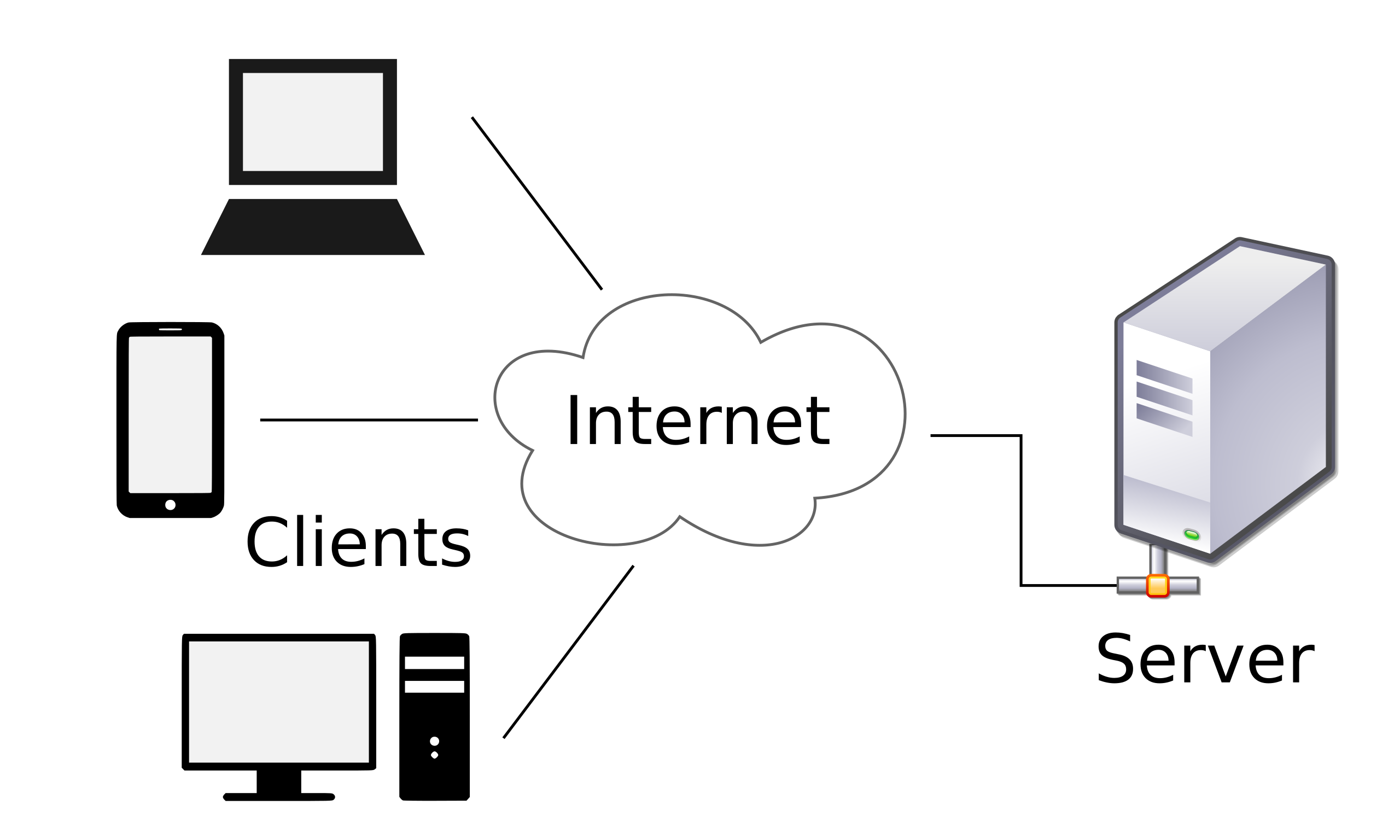
Business Logic on Server
Multiple clients; One server
Connection via network
Clients "consume" services
Example: Client Server Model
(any simple website)
Architecture Patterns
+ Total control of server
+ Allows "thin" clients
- Network performance??
- Single point of failure
Example: Client Server Model
(any simple website)
Architecture Patterns

Distributed Logic
Connection via network
Clients also provide
Advantages??
Trade-offs??
Example: Peer to peer
(Bit Torrent)
Architecture Patterns

Other Common Architecture Patterns
Cloud and Cloud-native
Microservices
Event-Driven
DevOps
Open Source Contribution Pattern
📚 M. Keeling, Design it! 2017. Chapter 7https://tudelft.on.worldcat.org/oclc/1015687142
Chose for architecture
before it chooses you
Whether it be the sweeping eagle in his flight, or the open apple-blossom, the toiling work-horse, the blithe swan, the branching oak, the winding stream at its base, the drifting clouds, over all the coursing sun, form ever follows function, and this is the law. - Louis Sullivan (1896)Form follows function:
Applicable in SW architecture?
It's not that simple!
If ‘form follows function,’ it does not follow in a straight line, nor in accordance with a simple mathematical formula, but along the lines of curves whose elements are always changing and never alike; and if the lines of development and growth of the vegetable and animal organisms are infinitely differentiated, the process of untrammeled human thought and human emotions are even more subtle in the differences and shadings of their manifestations - Dankmar Adler (1896)Function and environment
determine form
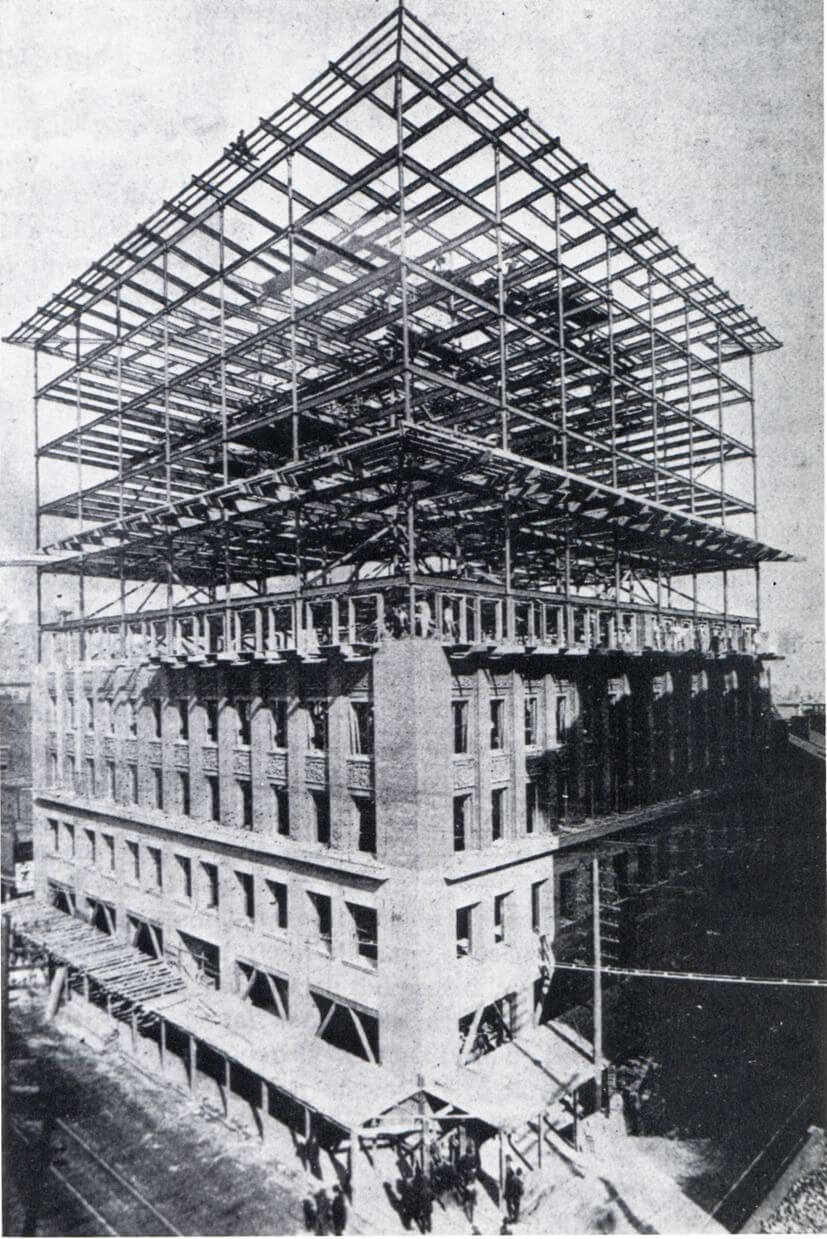
Chose for architecture
before it chooses you
"Form" of software is a result of environment
Available Technology, Social fabric, Communication structure
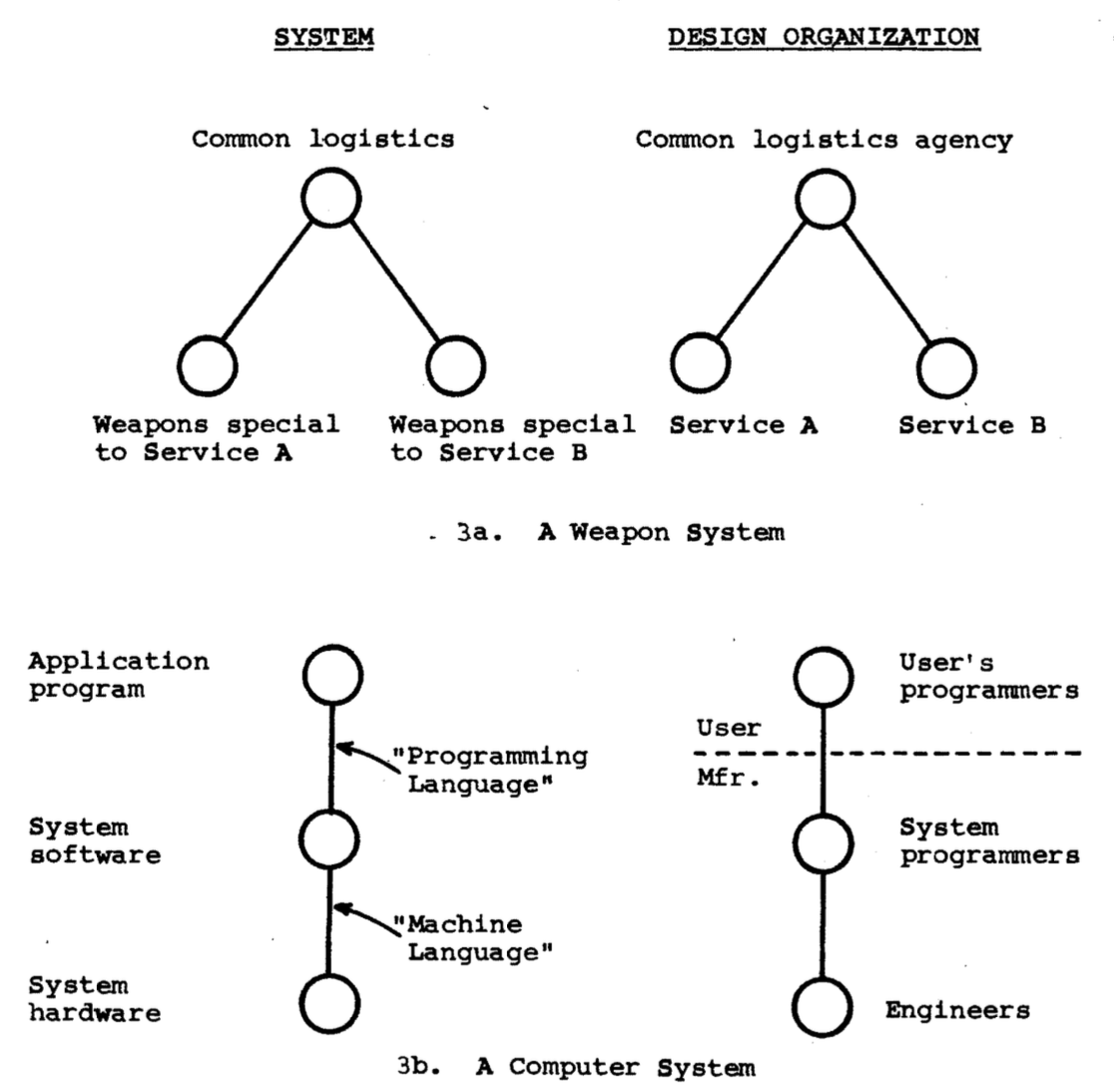
Organizations which design systems (in the broad sense used here) are constrained to produce designs which are copies of the communication structures of these organizations - Mel Conway (1986)
"Function follows Form"
Architecture emerges or disintegrates
Recap git branching lecture
Forced worflows/architectures will disintegrate
What makes a good SW architect?
Facilitates and does not dictate
Understands needs of people involved
Is experienced with material/technologies
Knows a wide repertoire of patterns
Is able to use knowledge/experience of others
Concluding summary
- SW Architecture reflects significant decisions
- It facilitates all aspects of software quality
- It is described/perceived through different views
- We can re-use Arch. patterns to address needs
- It always emerges from the organisational context